
Becoming a Student of Alabama Catfish Country
The best part of my job is, by far, getting to learn about places, stories and communities that are unfamiliar to me. Over the years, that has looked like a lot of different things, from flag football to Alabama's startup scene to our nation's complex civil rights history.
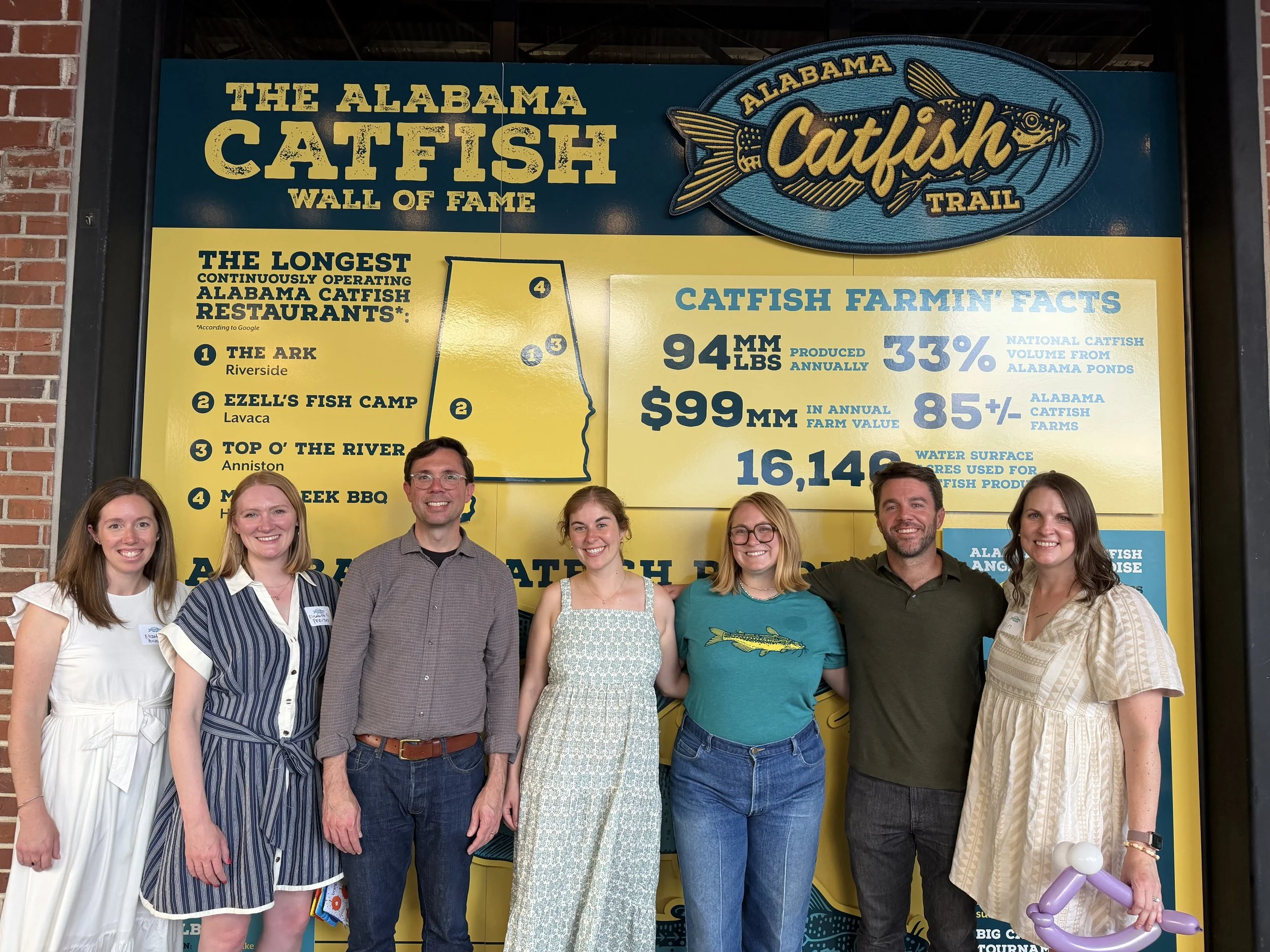
I’ve approached each of these experiences as a student and walked away inspired by the people behind them. This year, though, I never would've guessed one of my favorite projects would revolve around Alabama's whisker-faced bottom-feeder. You guessed it: catfish.
What surprised me most about the project wasn't the fish itself (though, yes, it tastes pretty dang good!). It was the people behind it. The farmers, anglers, chefs and community leaders who make up Alabama's small but mighty catfish community welcomed me in even though they knew I had a lot to learn.
Through the launch of the Alabama Catfish Trail, I was reminded that some of the best work happens when you're willing to be a student first. I didn't come into this project with deep knowledge of the catfish industry, but I did come with curiosity and a willingness to listen. Time and again, the people closest to the work showed me things I never would've discovered on my own.
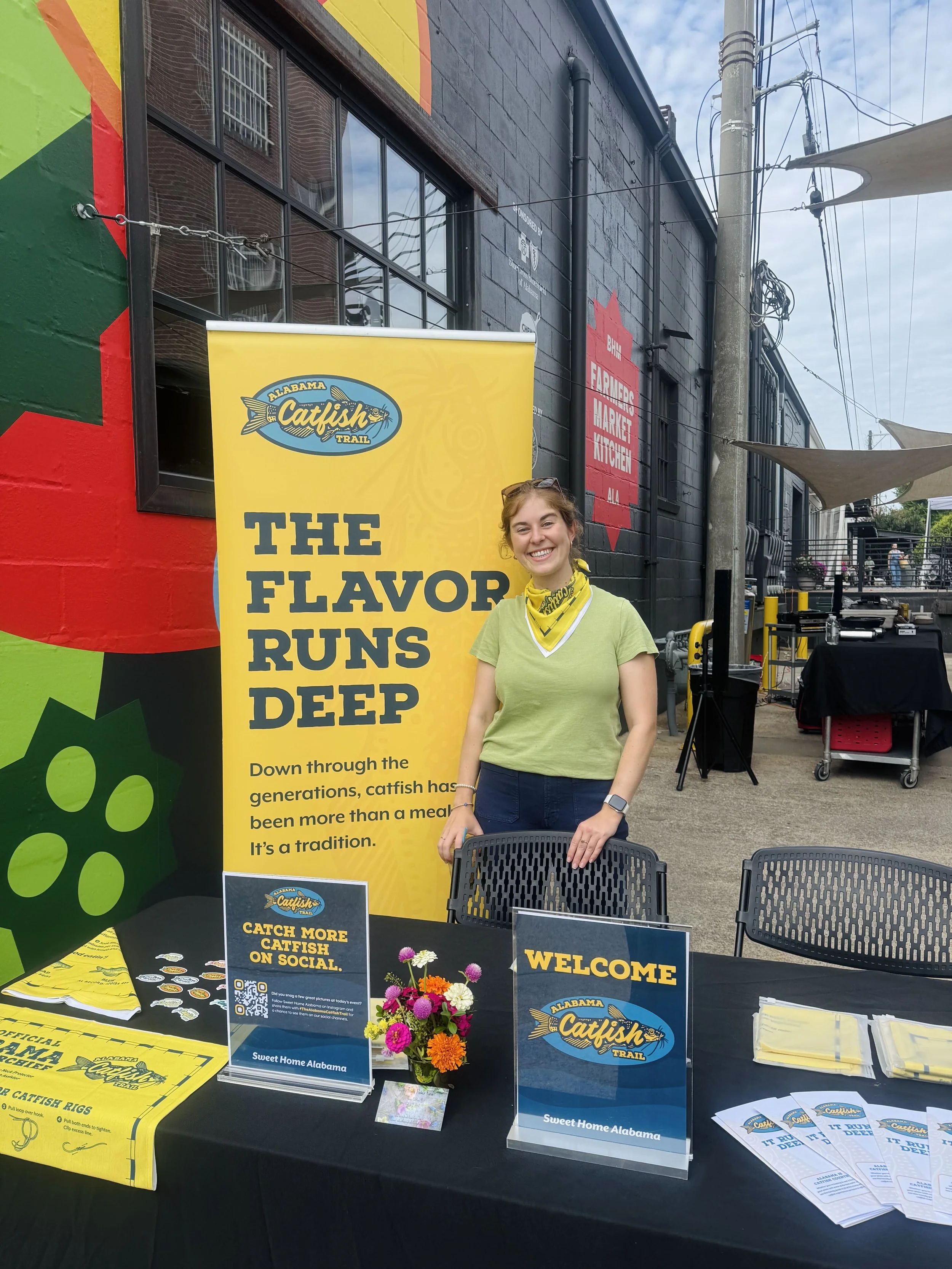
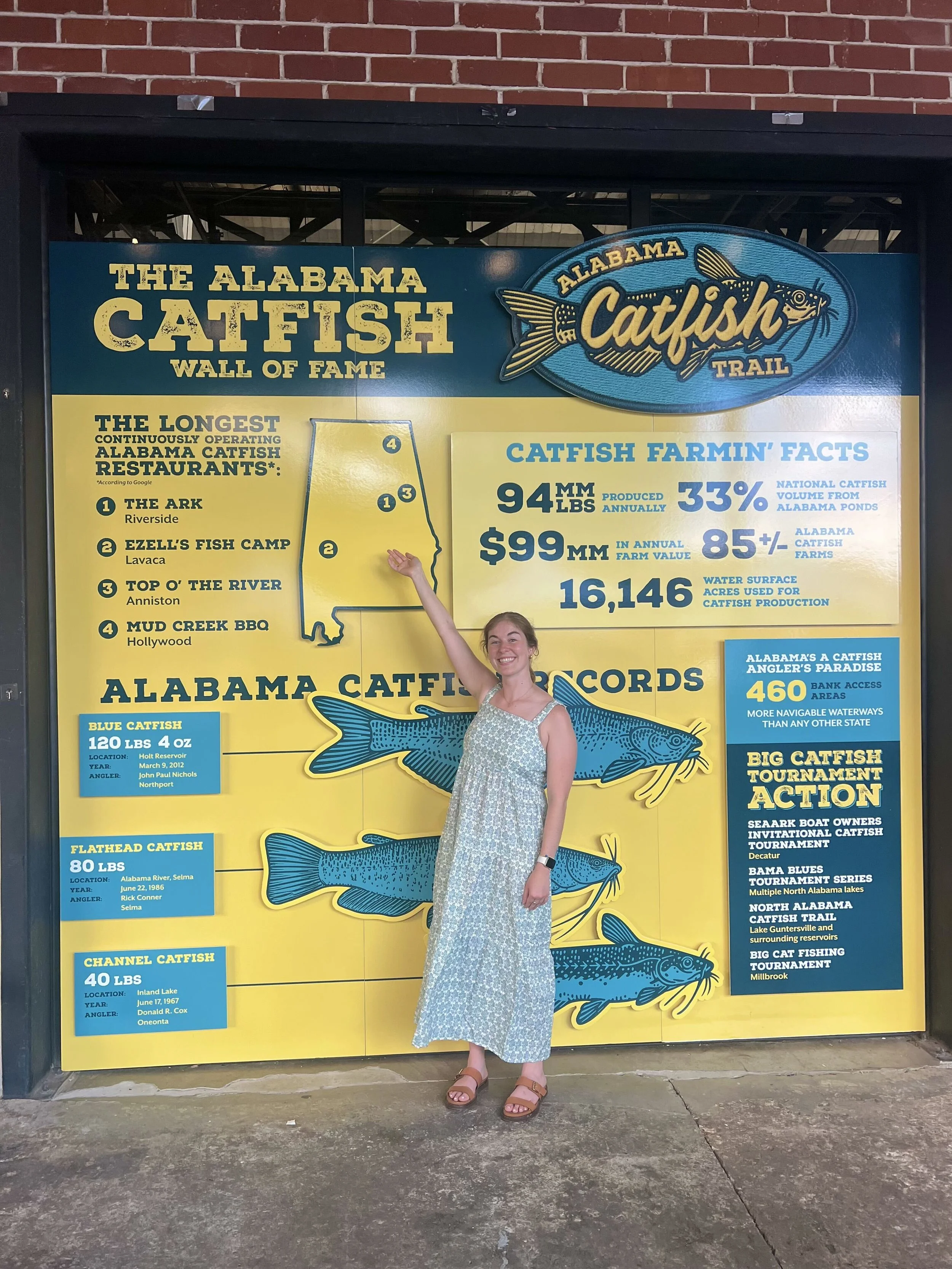
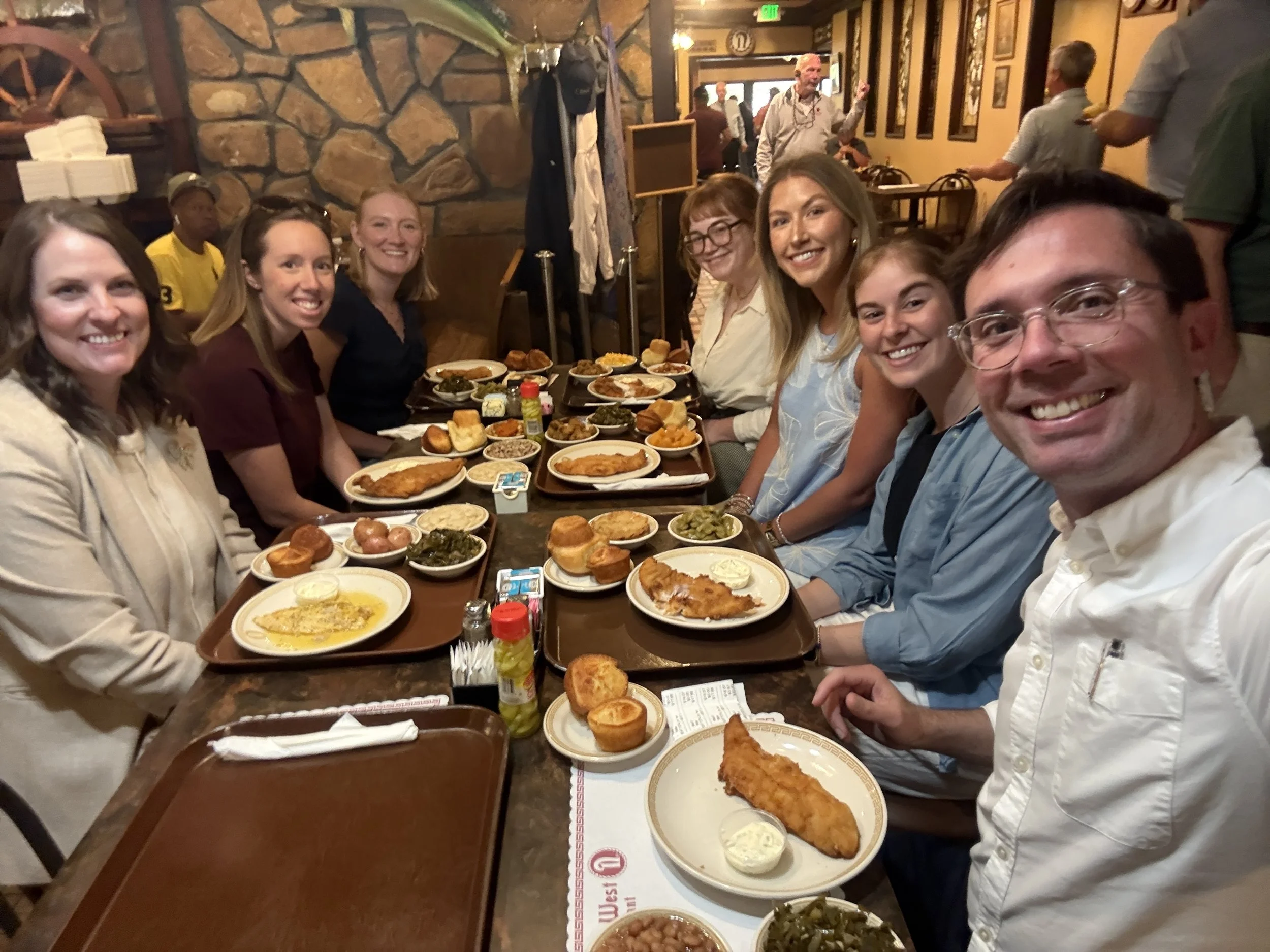
While every project is different, a few lessons from the Alabama Catfish Trail stick with me:
1. Lead with curiosity, not expertise
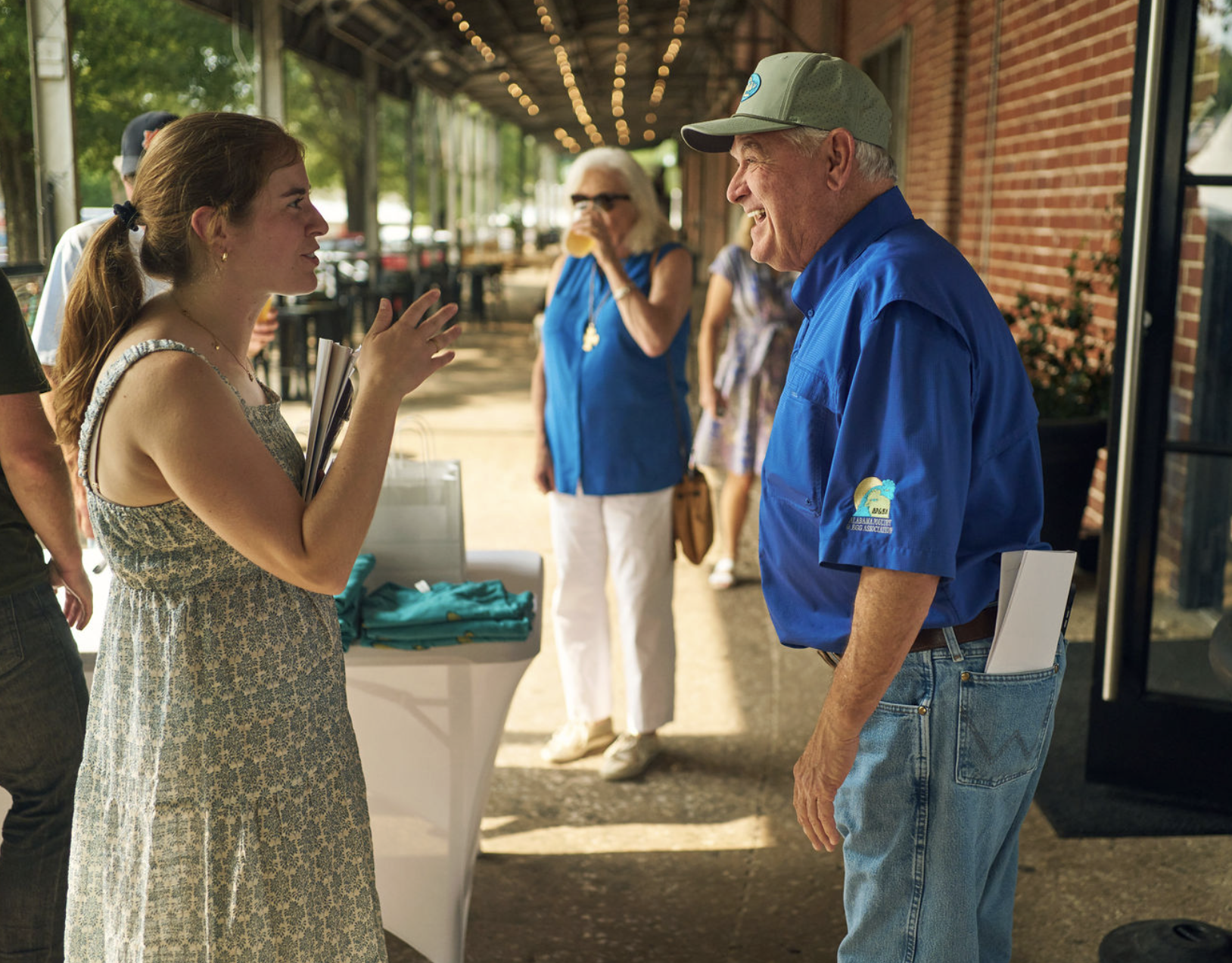
One of the many lessons from this project: a phone call can turn into a partnership. After months of planning, it was rewarding to finally meet Commissioner Rick Pate in person after he agreed to speak at the kickoff.
Going into introductory calls with over a dozen catfish industry stakeholders, my two greatest assets were thoughtful questions and a listening ear. I knew I wasn’t the expert—instead, I approached each conversation with genuine curiosity. I wanted to learn from the people who live and breathe this work and to avoid operating in a silo – what did they want to see as part of the Trail, what are we missing that we don’t see clearly, who else needed to be invited to the table? Not only did this build trust, but it also made for a more authentic, accurate Trail overall.
2. People support what they help create
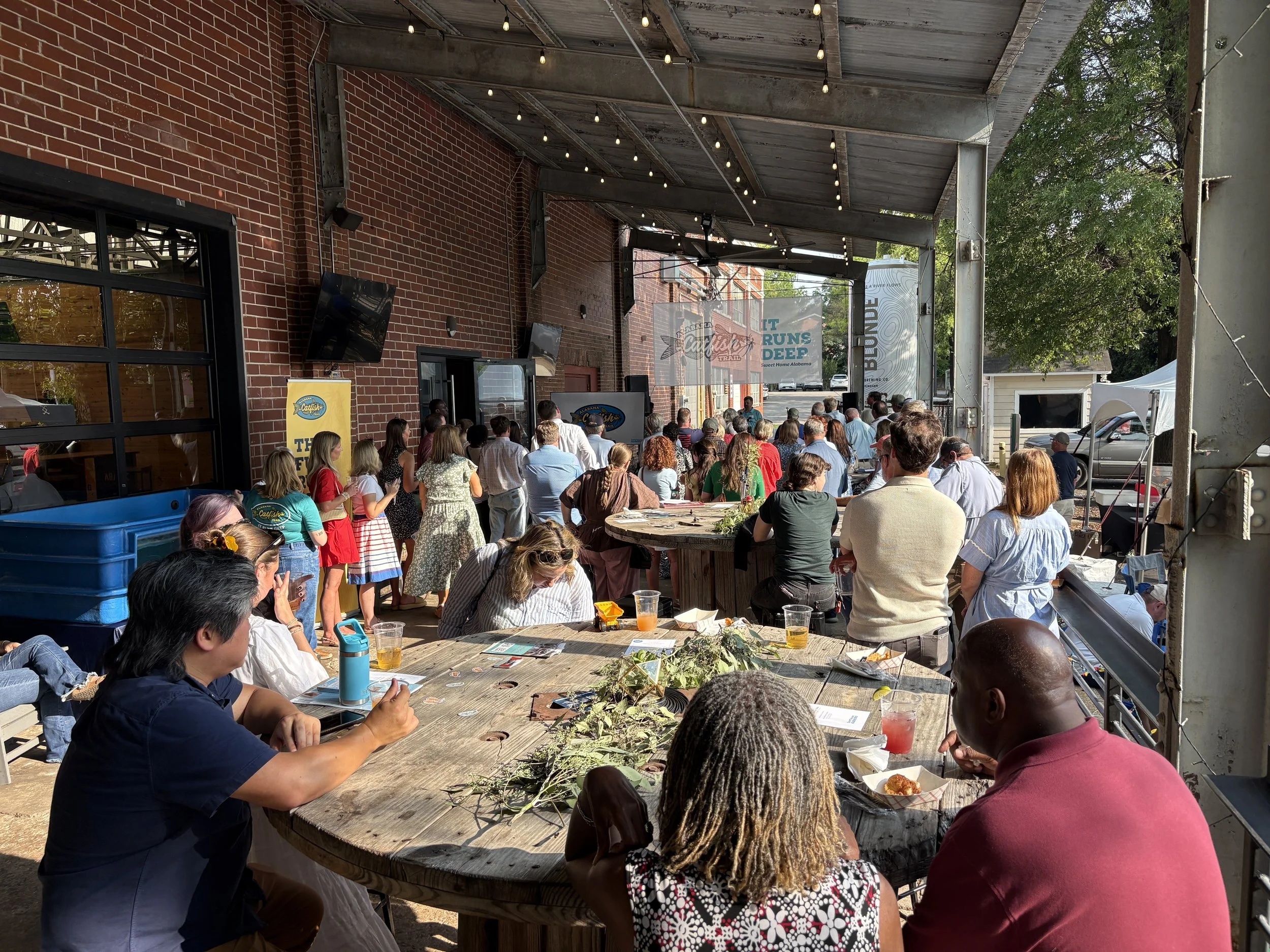
More than 100 people joined the Alabama Catfish Trail launch, showing the power of statewide support.
We asked for feedback early and often, not because we were checking a box, but because the people closest to Alabama's catfish industry know it best. As the initiative took shape, stakeholders could see their ideas reflected in the launch event and Trail experience. As a result, support grew naturally because people recognized their fingerprints on the final product.
3. Trust is transferable
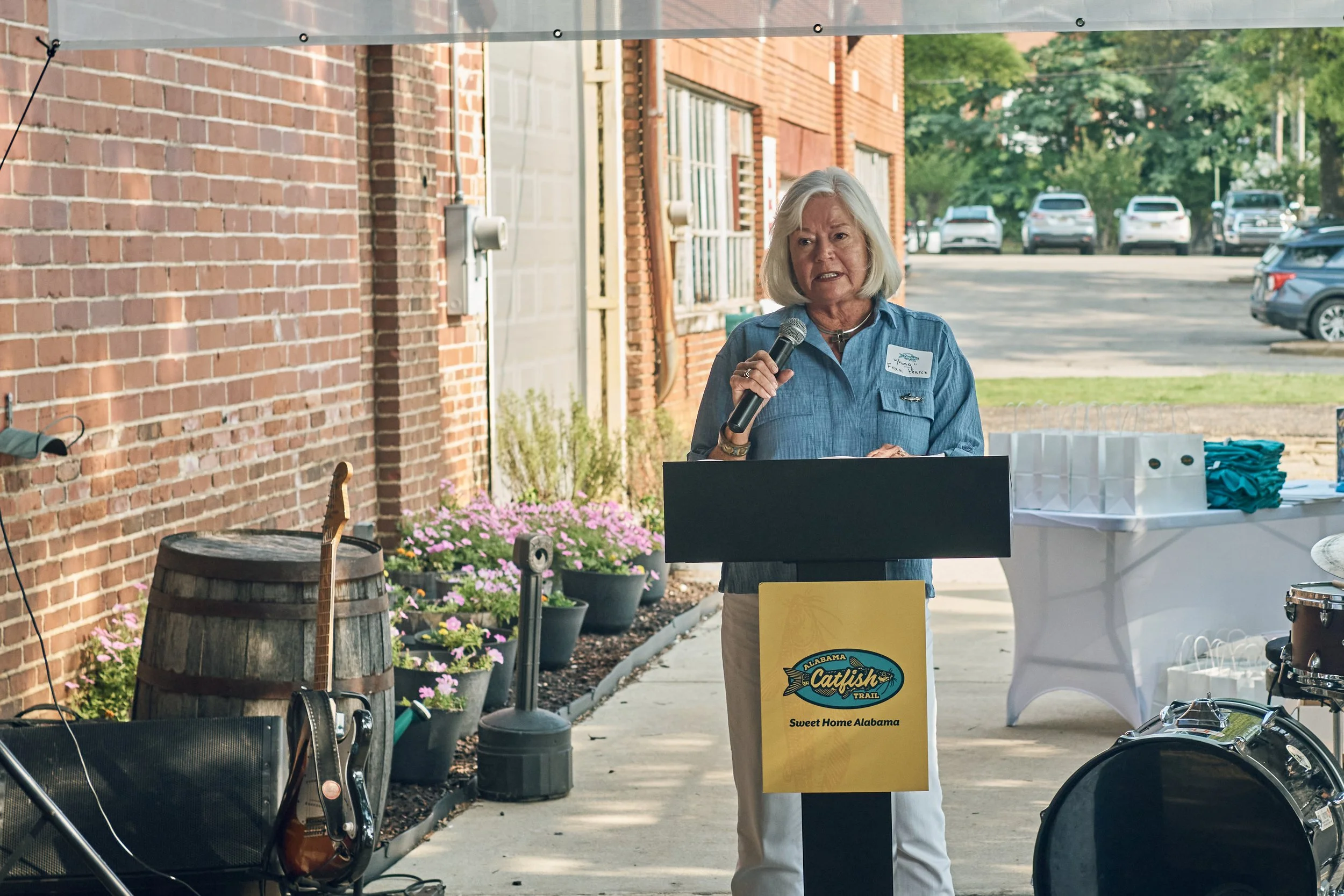
Conversations with leaders like Fran Pearce gave us a deeper understanding of Alabama catfish and the pride behind it.
We were fortunate to have strong relationships with respected organizations in the outdoors community, including the Alabama Department of Conservation and Natural Resources and Alabama Black Belt Adventures. Their early support and willingness to introduce us to stakeholders gave the initiative credibility from the start. In close-knit communities, trusted voices carry weight and open doors.
4. Scrappiness is a competitive advantage
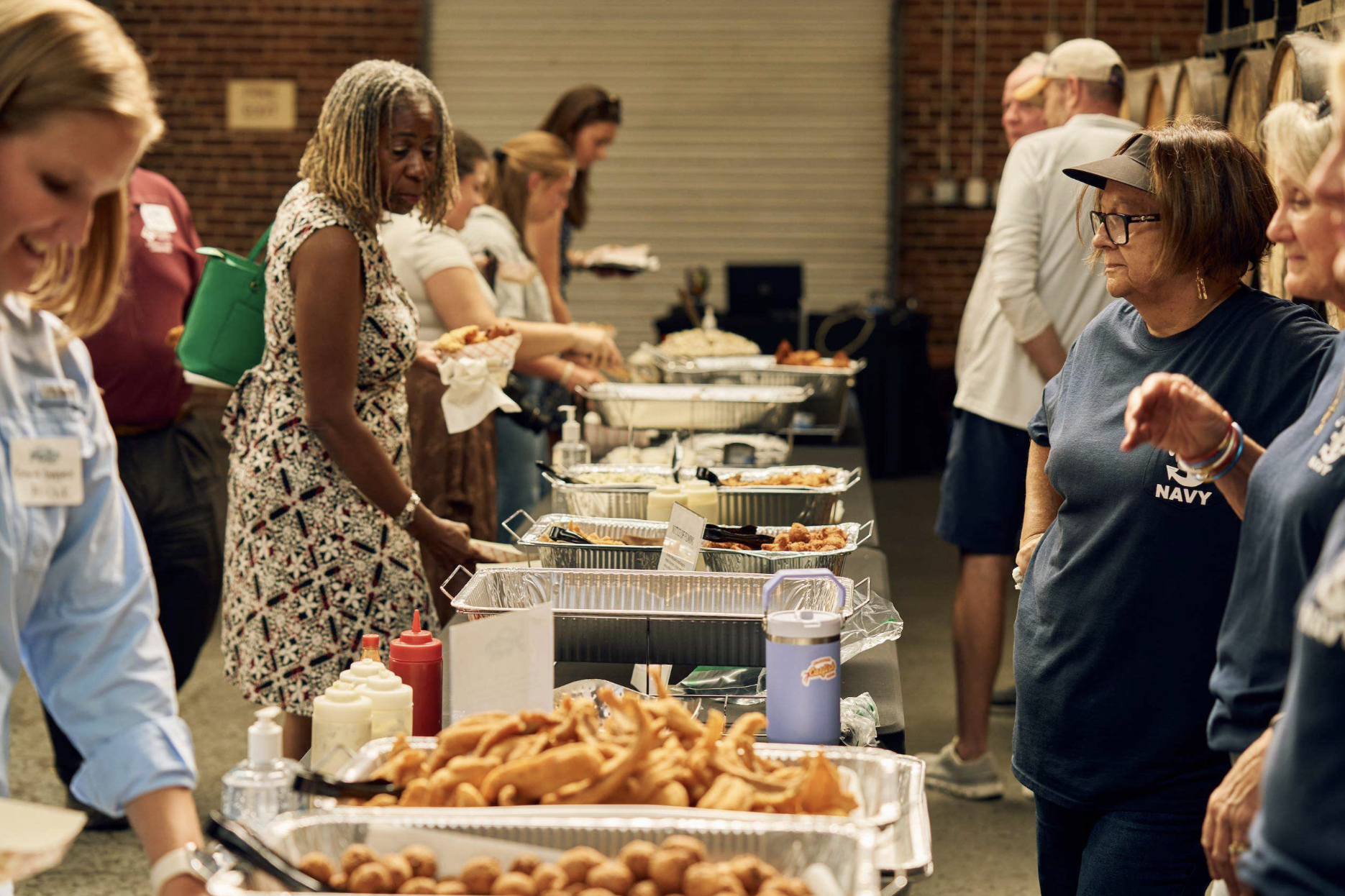
The restaurant partners featured along the Trail became some of its strongest champions.
I rarely connected with stakeholders by email initially... because, for most, email wasn’t their main method of communication. Whether it be a phone call, a text or even a Facebook message, I quickly learned the value of scrappy resourcefulness and persistence to avoid missing partners who needed to be in the mix. Never let a single email serve as the only form of outreach.
5. Make it easy for people to say “yes”
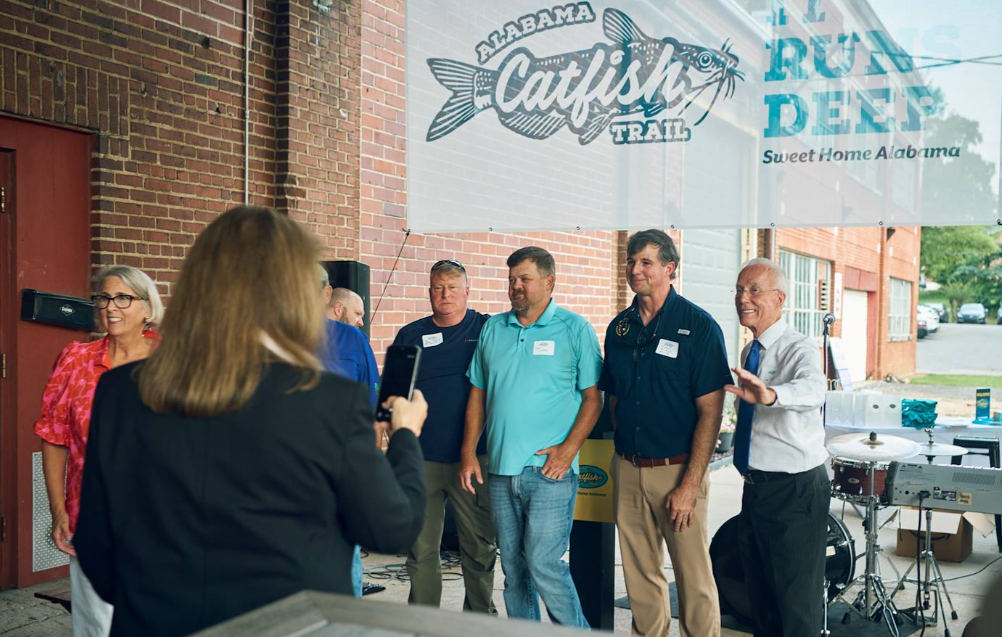
The Trail came to life through the people who supported it, from farmers and guides to tourism and conservation leaders.
Every person we worked with already had a full plate (pun intended, I suppose). Catfish farmers were managing their operations. Chefs were leading busy kitchens. Fishing guides were running their businesses. The Trail was exciting but, practically speaking, it wasn’t their first priority. And, honestly, I wouldn't have expected it to be. That meant making expectations as simple as possible and removing barriers when necessary. The easier we made participation, the more likely people were to join in.
Looking back, the Alabama Catfish Trail taught me far more than I ever expected. Beyond the successful launch event and media results, what I'll remember most are the people who generously shared their time, knowledge and passion for an industry that means so much to their communities and families. In many ways, the Trail was a reminder that some of the best learning happens when we're willing to step into unfamiliar territory (or uncharted waters 😉) and listen.
My Published by Peritus Takeaway
Expertise matters, but so does curiosity. The best outcomes often happen when we pair what we know with a genuine willingness to learn from the people who know their community best.