
2026 Session Rewind Recap
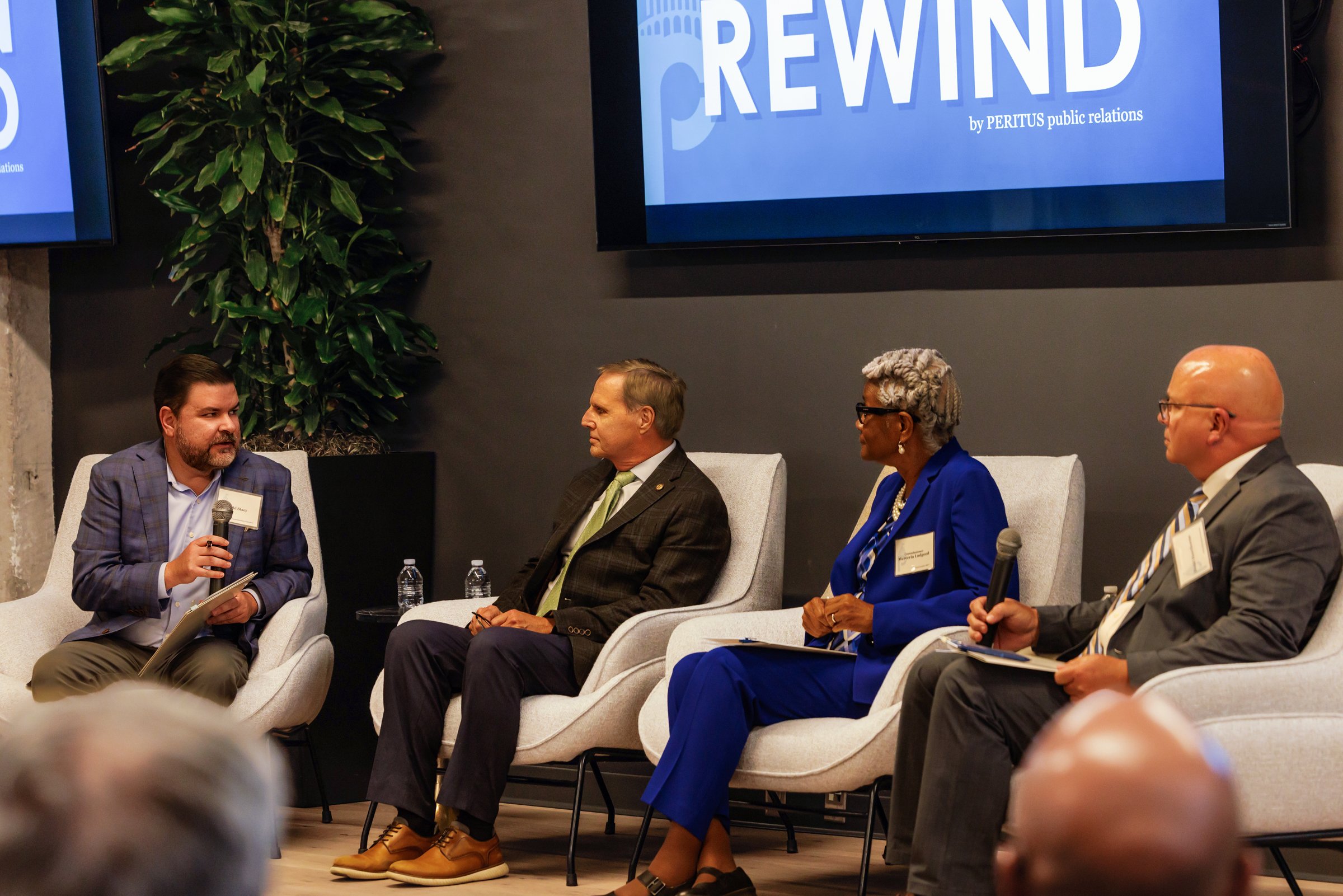
Image credited to James Pratt Photography
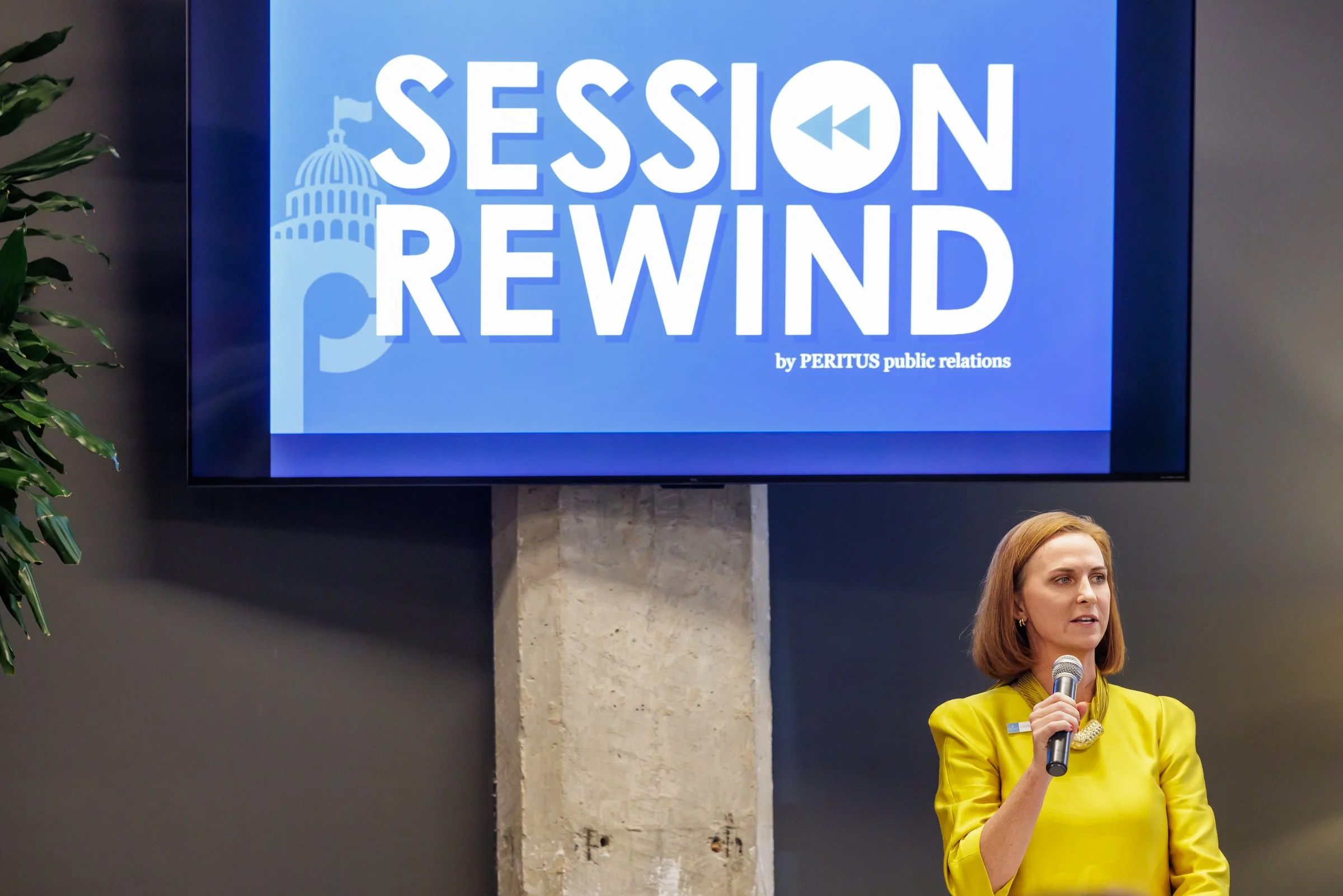
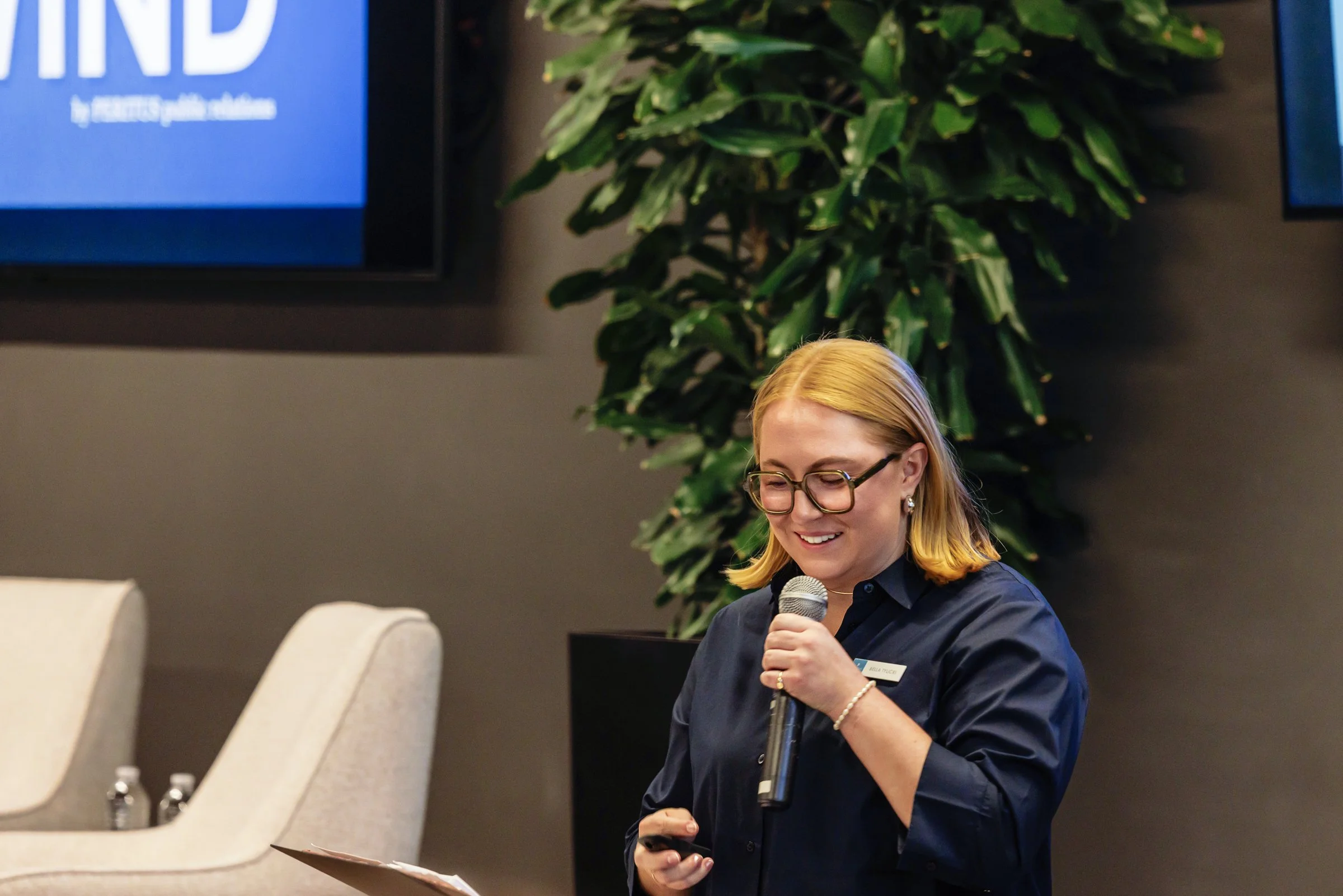
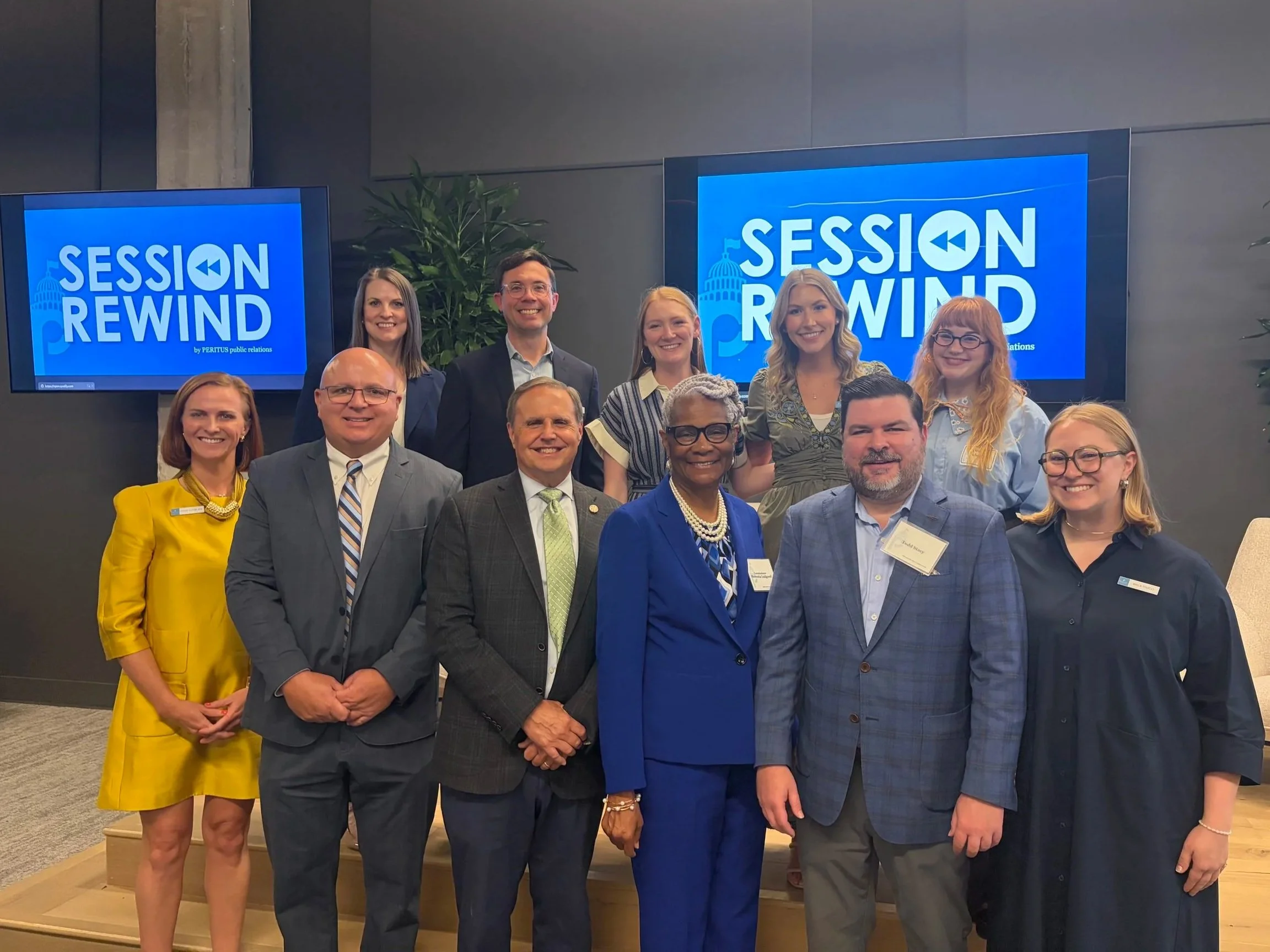
On May 14, leaders from across Alabama gathered at Innovation Depot for our third annual Session Rewind, coming together to reflect on the 2026 legislative session and what it means for the state's future.
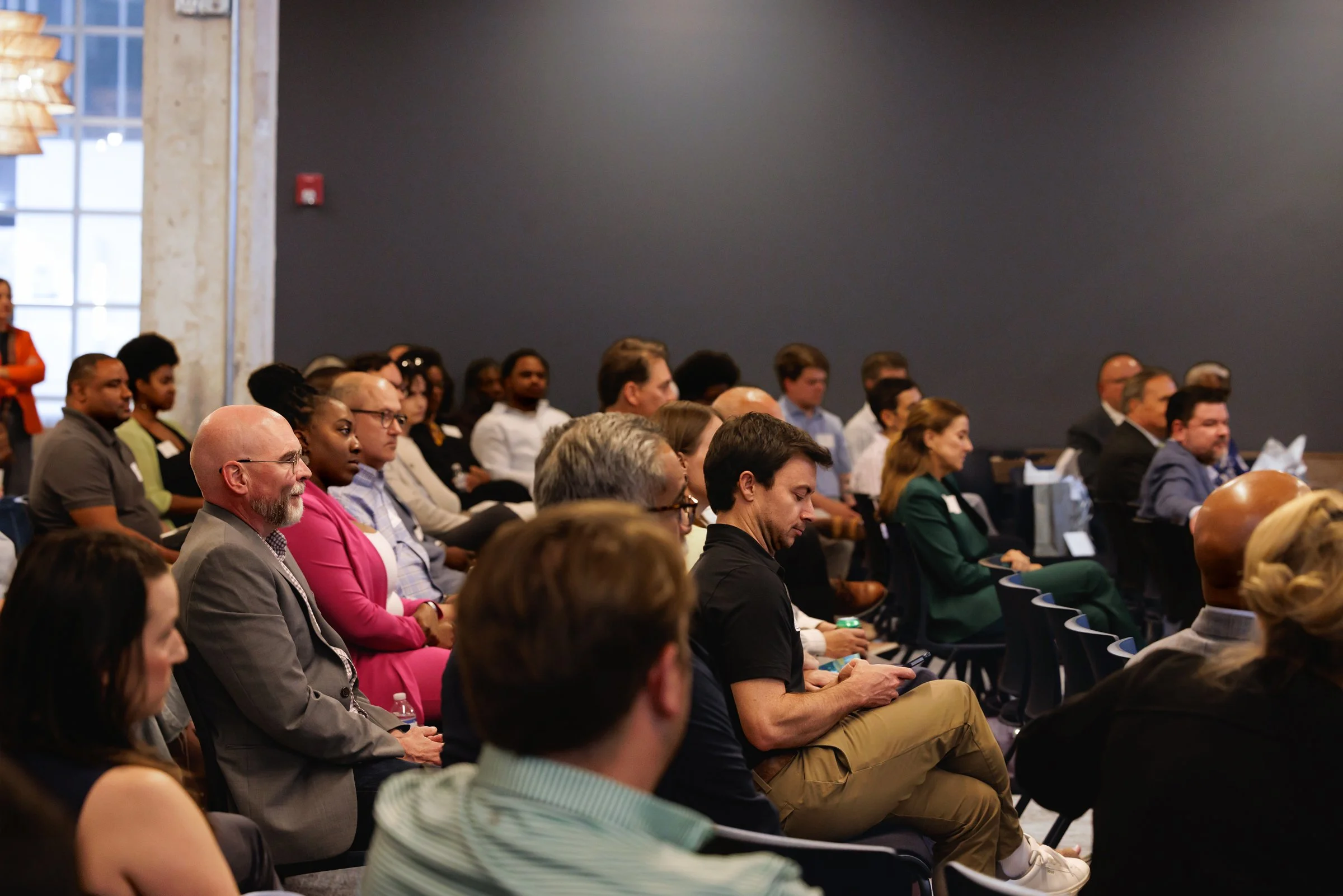
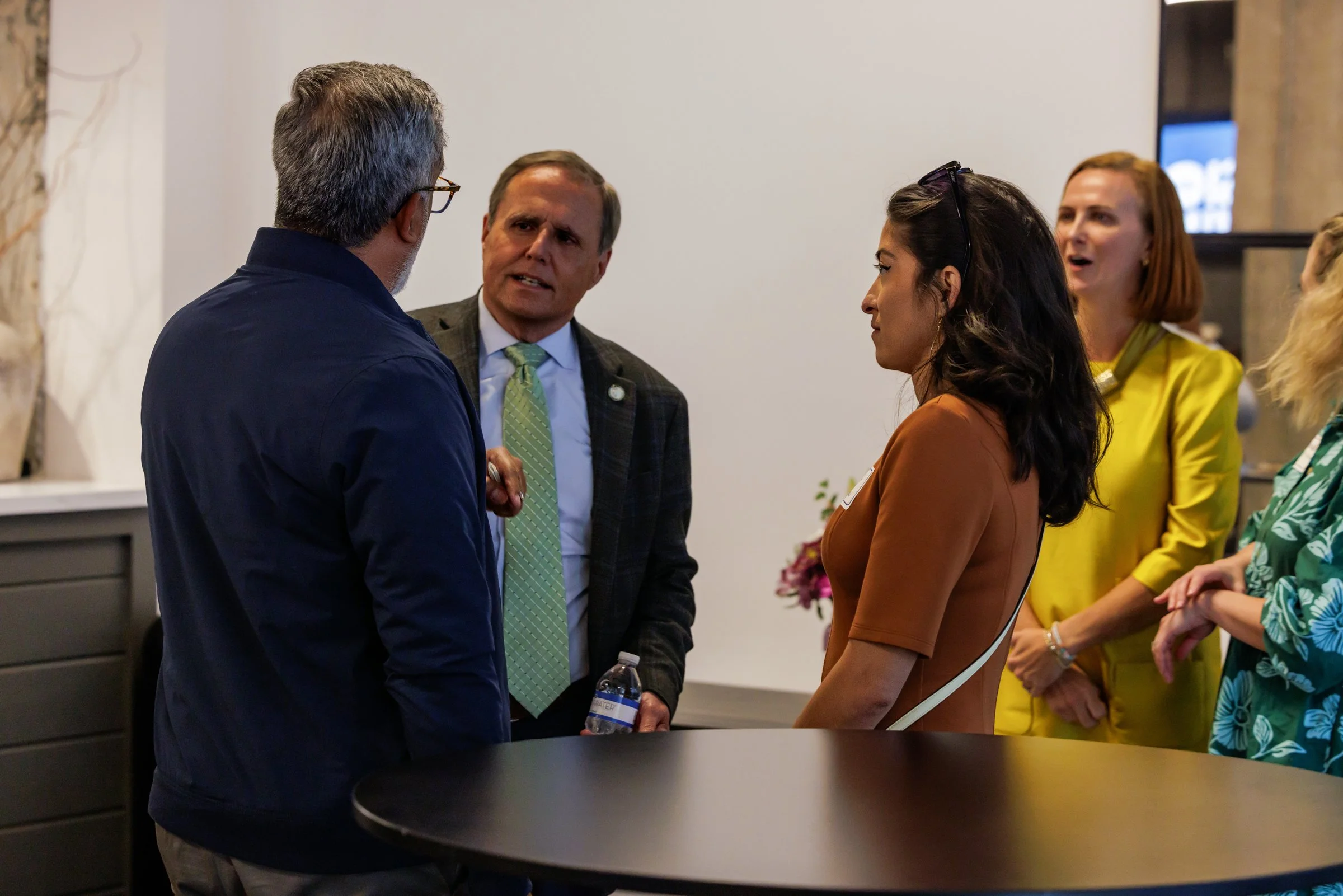
The audience itself told an important story. Students, business leaders, nonprofit advocates, elected officials and young professionals filled the room, representing a shared commitment to understanding how public policy shapes Alabama's growth and opportunities.
This year's conversation centered on one of the state's most pressing priorities: workforce development. Specifically, panelists explored how Alabama is preparing the next generation through career and technical education (CTE) and the policies, partnerships and investments helping connect students to meaningful career pathways.
Rather than recapping every bill that passed during the session, the discussion focused on something more valuable: connecting policy decisions to real-world impact. Speakers reflected on the progress Alabama has made while identifying opportunities that remain ahead.
Before the conversation turned to legislation, it began with perspective. In her opening remarks, Peritus PR founder and CEO Louise Oliver emphasized that progress depends on leaders who are willing to stay engaged, embrace complexity and lead with clarity and conviction.
That theme carried through every discussion that followed.
Three POVs, One Conversation
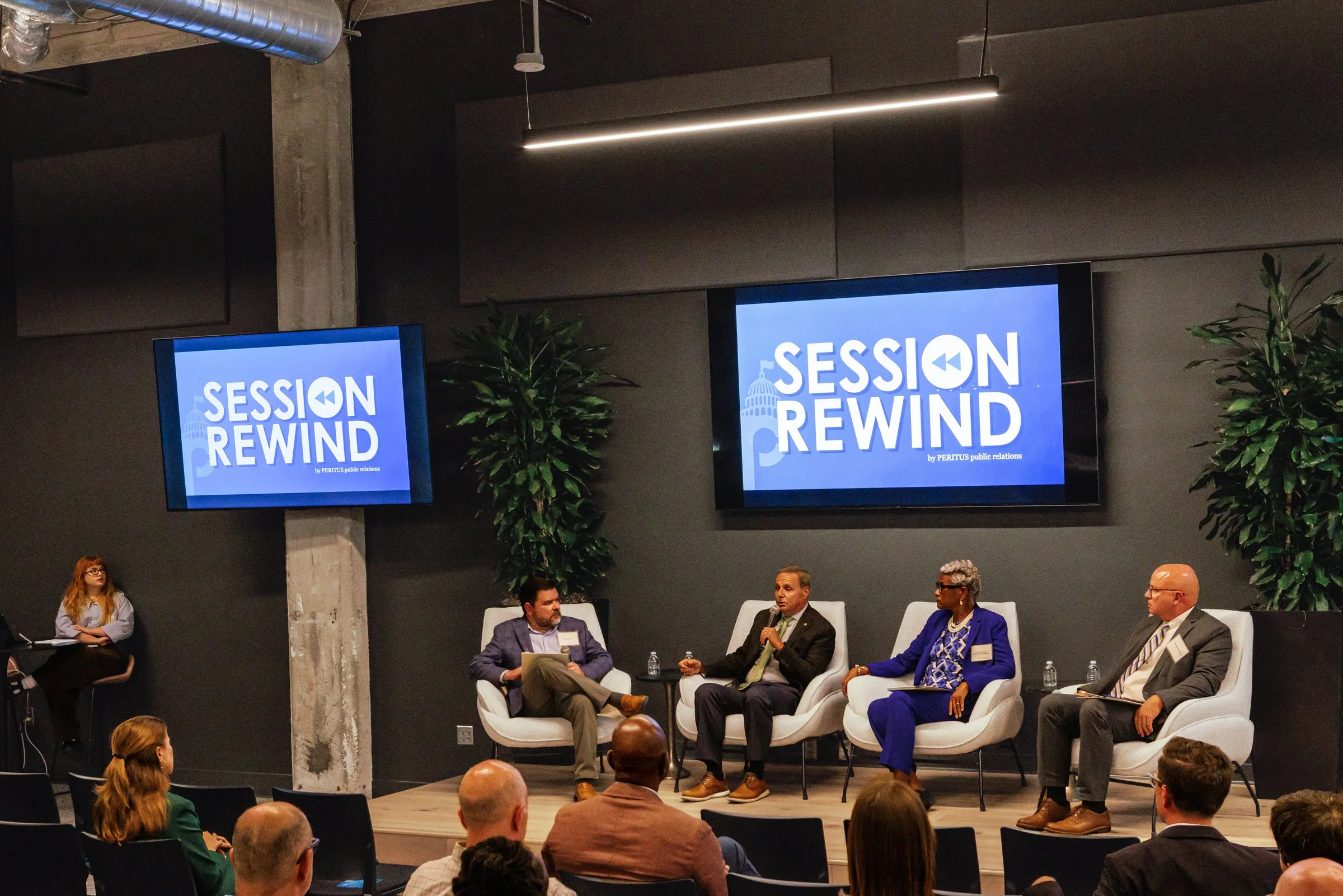
This year’s Session Rewind panel was moderated by Alabama Daily News publisher Todd Stacy and followed a single issue through three points in the pipeline: policymaking, implementation and impact. Our panelists were:
Chairman Danny Garrett, Alabama House of Representatives, District 44; House Ways and Means Education Committee
Commissioner Merceria Ludgood, Mobile County Commission, District 1
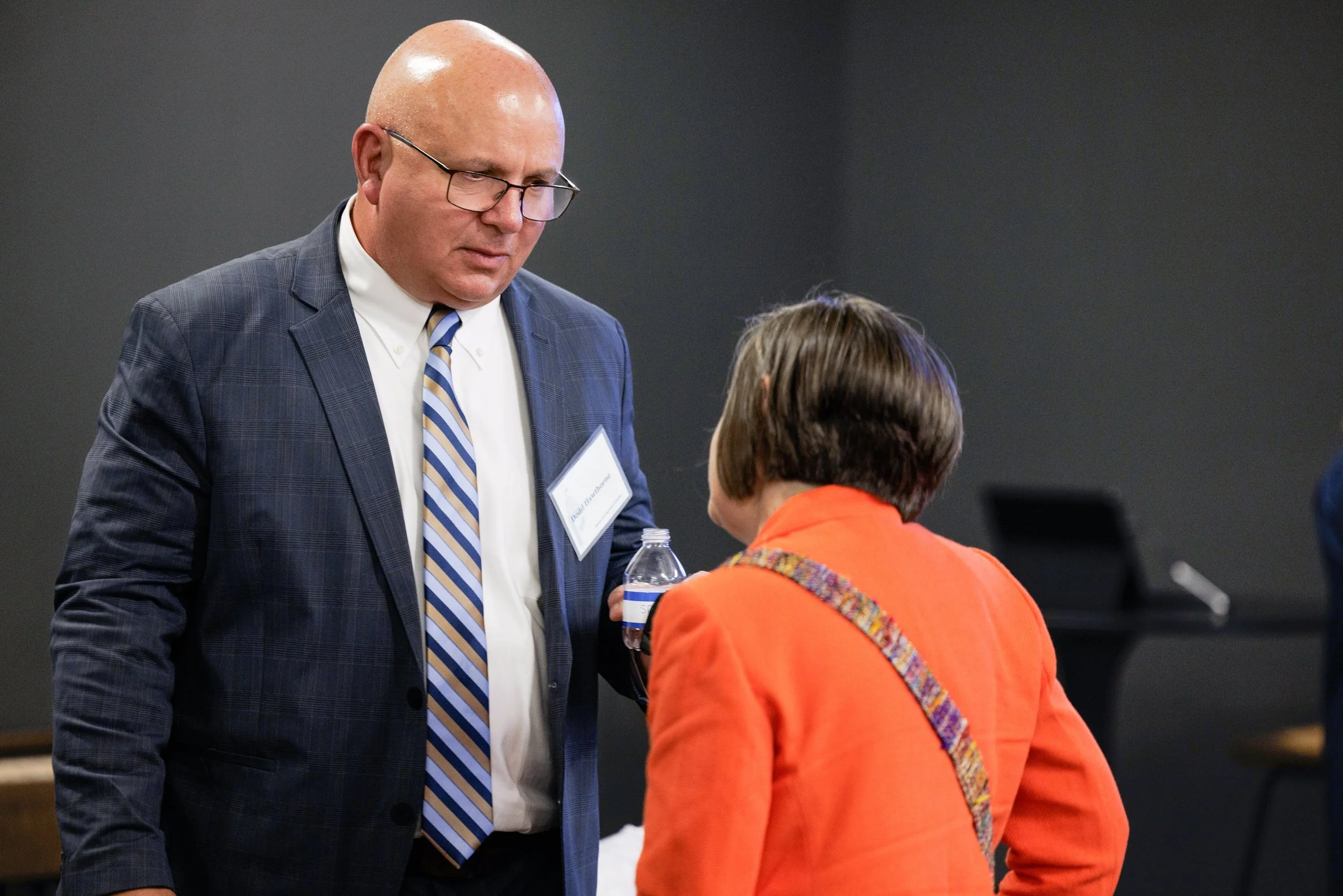
Dodd Hawthorne, Assistant State Superintendent for CTE/Workforce Development, Alabama State Department of Education
Together, they offered perspectives that helped paint a picture not about how a bill becomes a law (Schoolhouse Rock! already taught us that) but how a bill becomes a changemaker in our communities.
FIVE TAKEAWAYS
Across the conversation, five themes surfaced that matter for anyone thinking about growth, talent and opportunity in Alabama.
1) Job Creation Is Only One Piece of the Puzzle
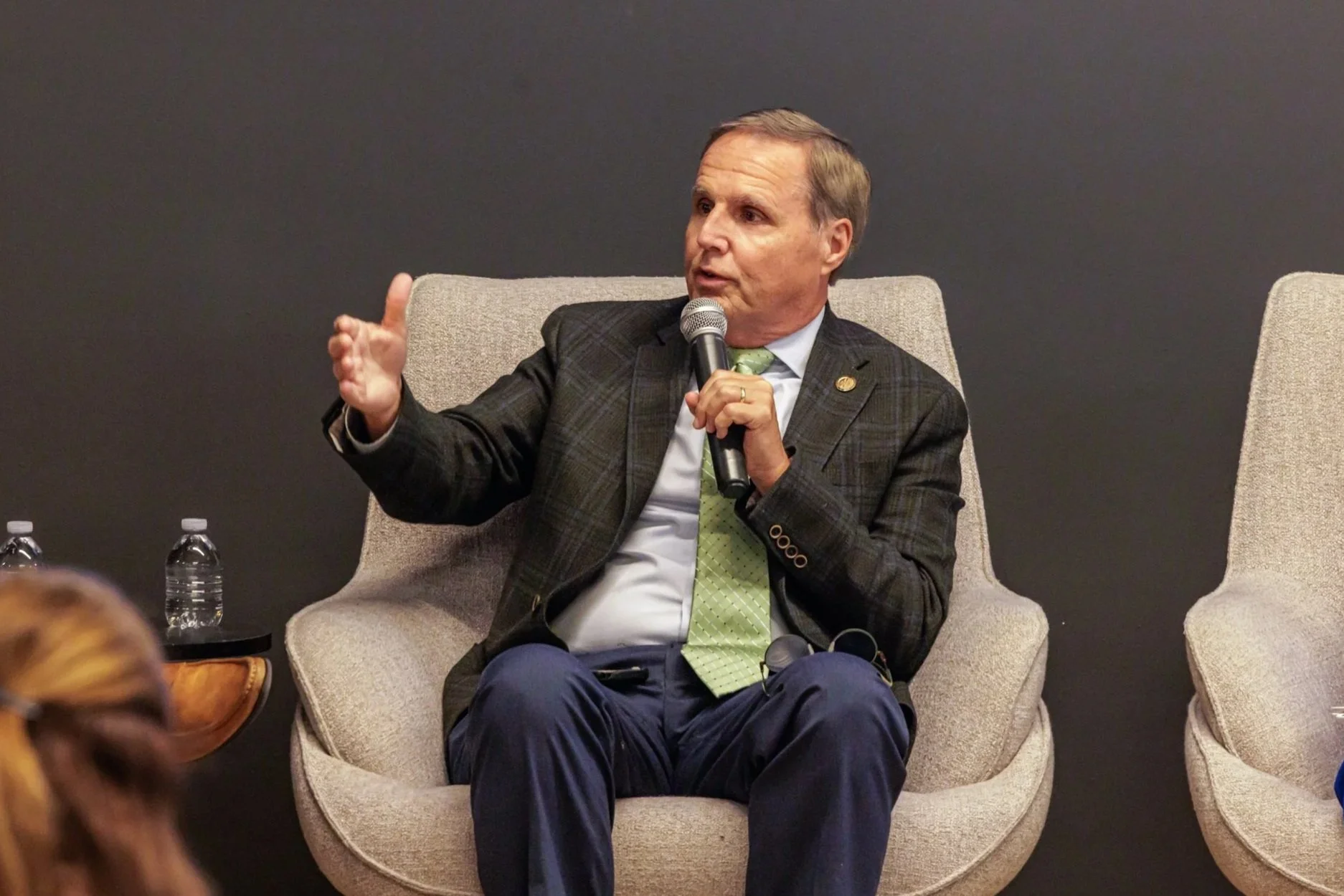
Image credited to James Pratt Photography
Alabama has consistently maintained low unemployment, but behind this trend is a deeper issue — low workforce participation rate.
As Chairman Garrett put it, “Our problem in Alabama is not unemployment; it’s labor participation.”
This shift in focus is redefining how policymakers think about workforce strategy. It is no longer just about creating jobs. It’s also about removing barriers that prevent people from stepping into them, like access to childcare, healthcare transportation or job training.
2) Career Tech Is No Longer a Backup Plan – For Many, It’s Plan A
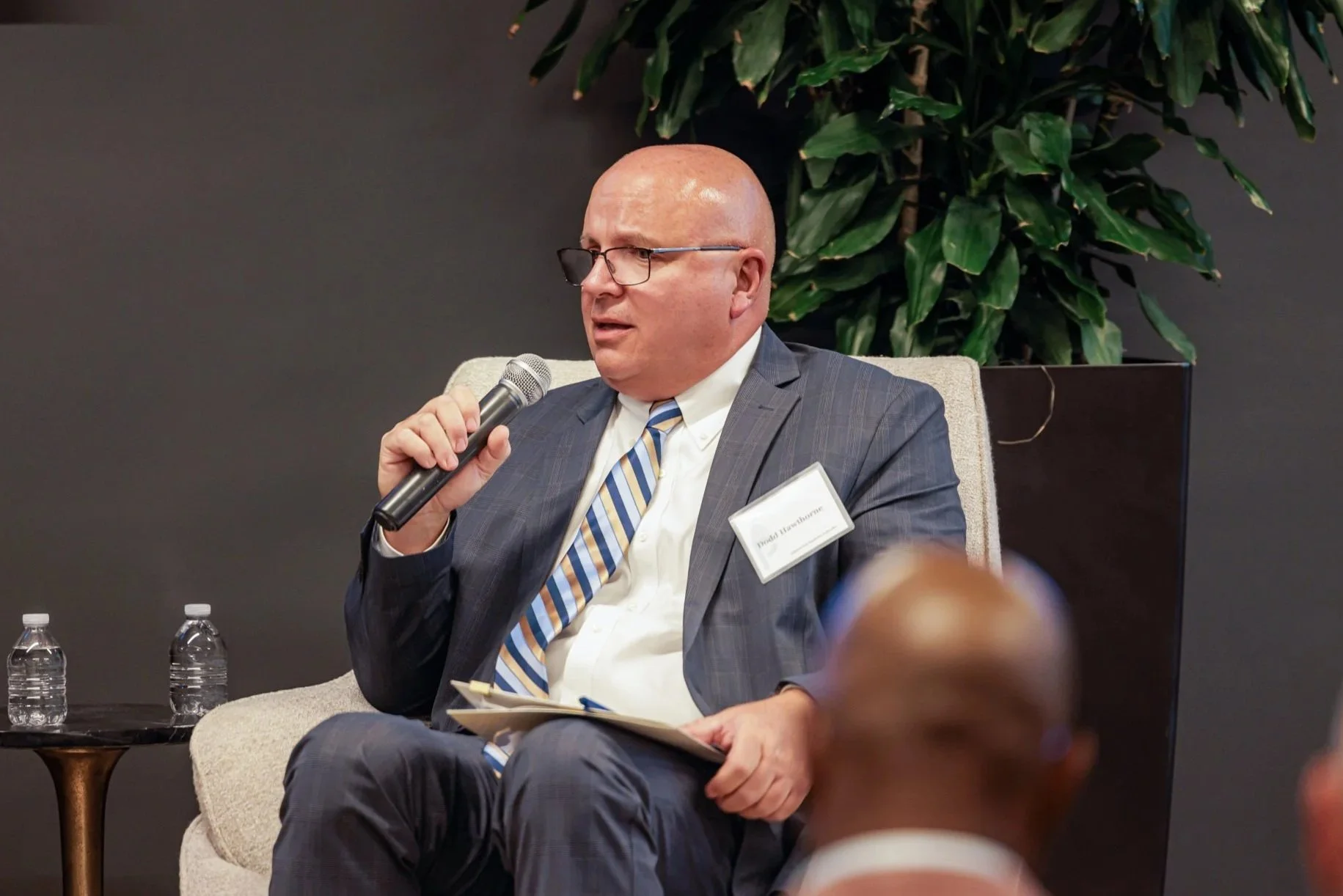
Image credited to James Pratt Photography
CTE programs in Alabama now span 16 career clusters, from healthcare and aviation to manufacturing, agriculture and culinary arts, serving roughly 80% of high school students statewide. Many leave school with industry credentials, hands-on experience and a direct line to employment.
“It’s all about providing opportunities for our students,” Dodd Hawthorne said.
The shift is cultural as much as structural. Alabama is moving toward a “both/and” mindset when it comes to career prep, valuing college pathways while equally elevating skilled trades and technical fields.
For students, that means more options and clearer directions to achieve economic mobility. For employers, it means a stronger talent pipeline.
3) Workforce Development Has No Age Limit
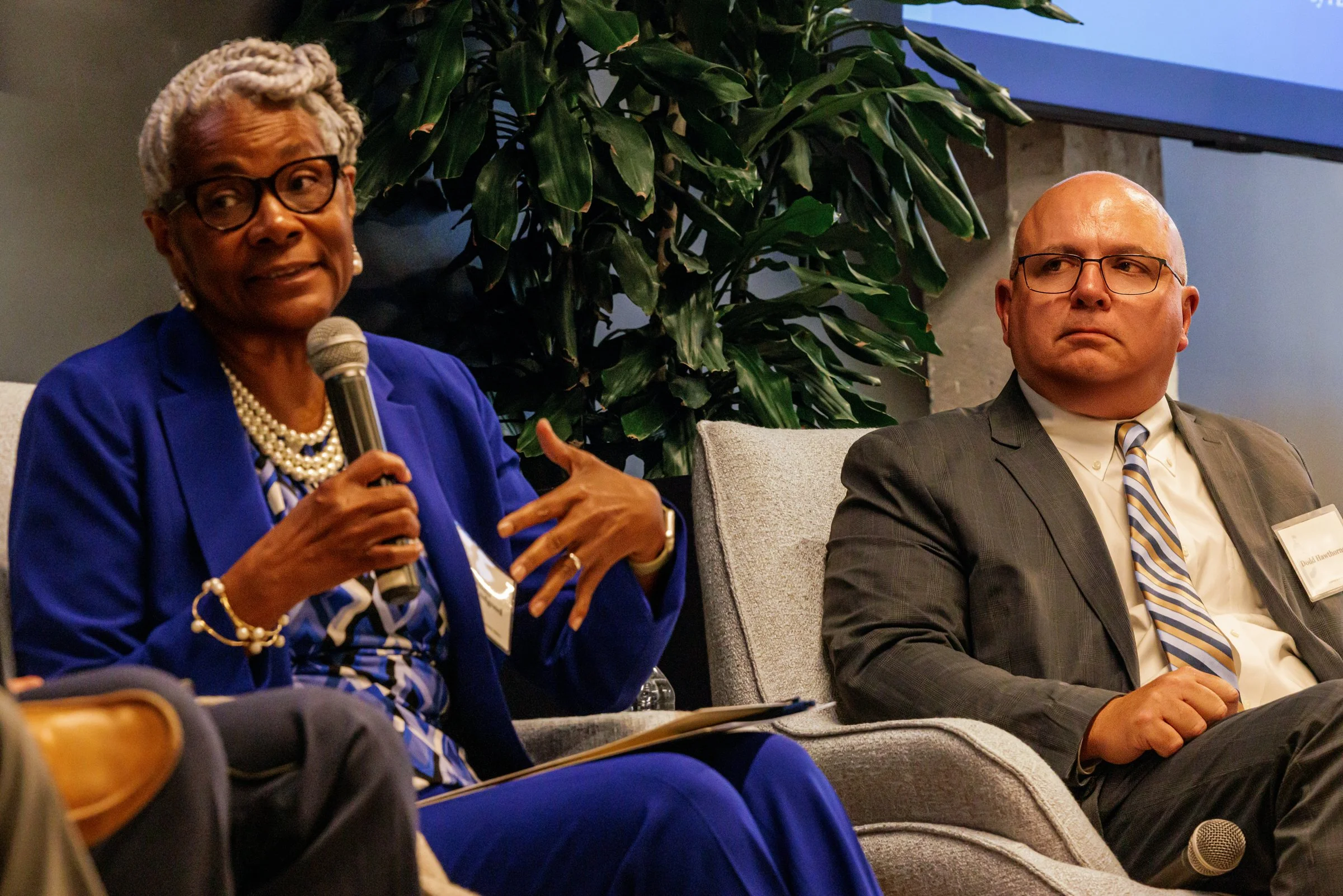
Image credited to James Pratt Photography
From early exposure to career pathways in elementary school, to dual enrollment in high school, to upskilling and reskilling programs for adults, Alabama’s approach to workforce development is taking shape as a true pipeline. Nearly half of Alabama’s workforce is over 40, making reskilling and lifelong learning essential to long-term growth.
Commissioner Ludgood shared how Mobile has taken this approach further by aligning educators, industry leaders and community stakeholders under a single strategy.
The goal is clear: “At the end of every training is a job,” she said, referencing FlightPath9, a model for industry apprenticeship programs created by Airbus, Bishop State Community College and Flight Works Alabama.
4) Policy Is Catching Up to Practice
This session included significant investments aimed at scaling what is already working.
Between the last two legislative sessions, lawmakers have committed $250 million to expand career tech access, particularly in rural and underserved communities where resources are limited. The goal is to create shared regional programs that give more students access to high-quality training.
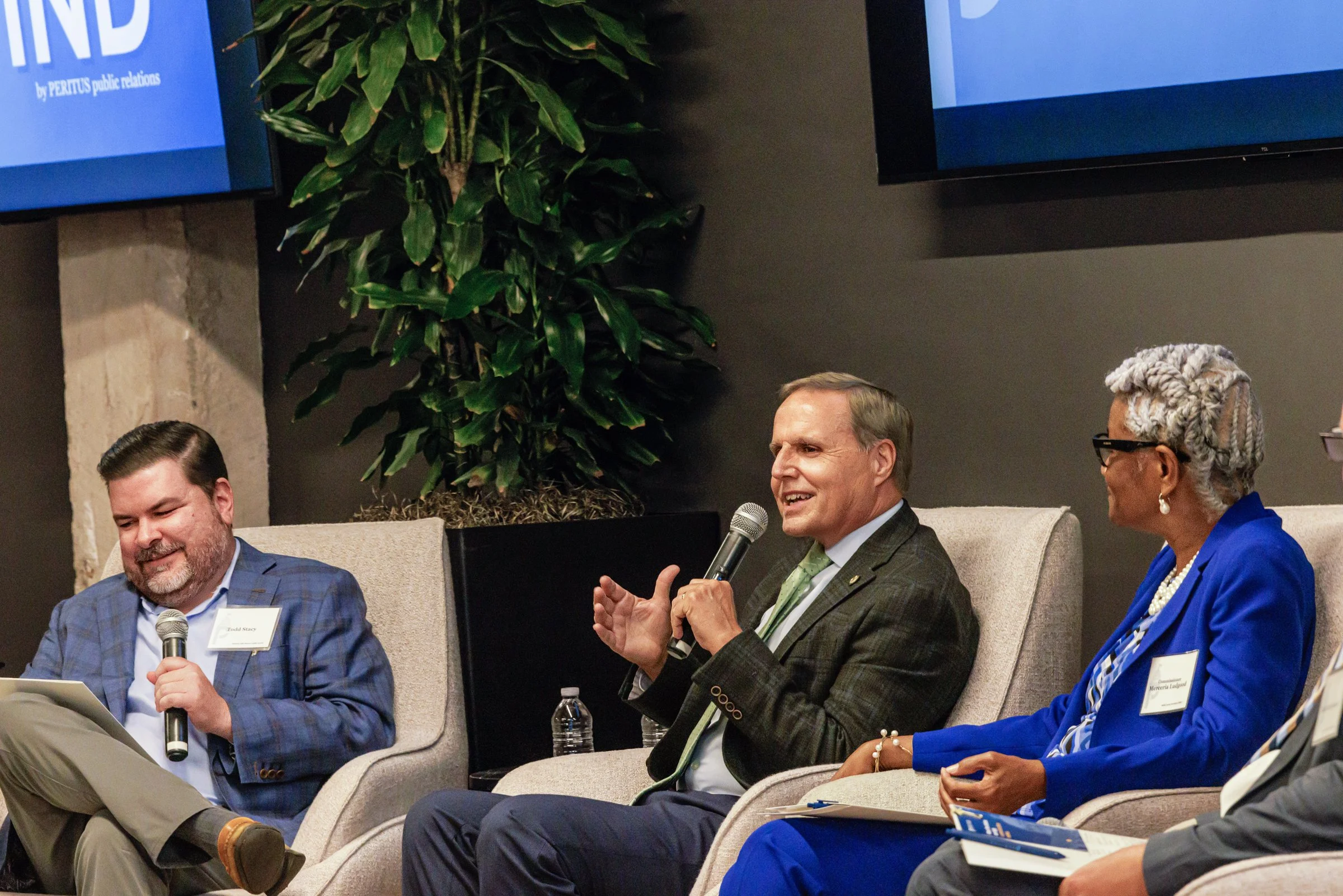
Image credited to James Pratt Photography
At the same time, new legislation like the TRAIN Act is designed to address one of the biggest barriers to growth.
“Our big issue with career tech is not funding; it’s finding qualified instructors,” said Garrett.
By incentivizing industry professionals and their employers, the state is working to bring real-world expertise directly into classrooms.
5) Teamwork Makes the Dream Work
We work best when we work together. “The only way we can really get anything done is if we can just get everybody at the table together,” said Commissioner Ludgood.
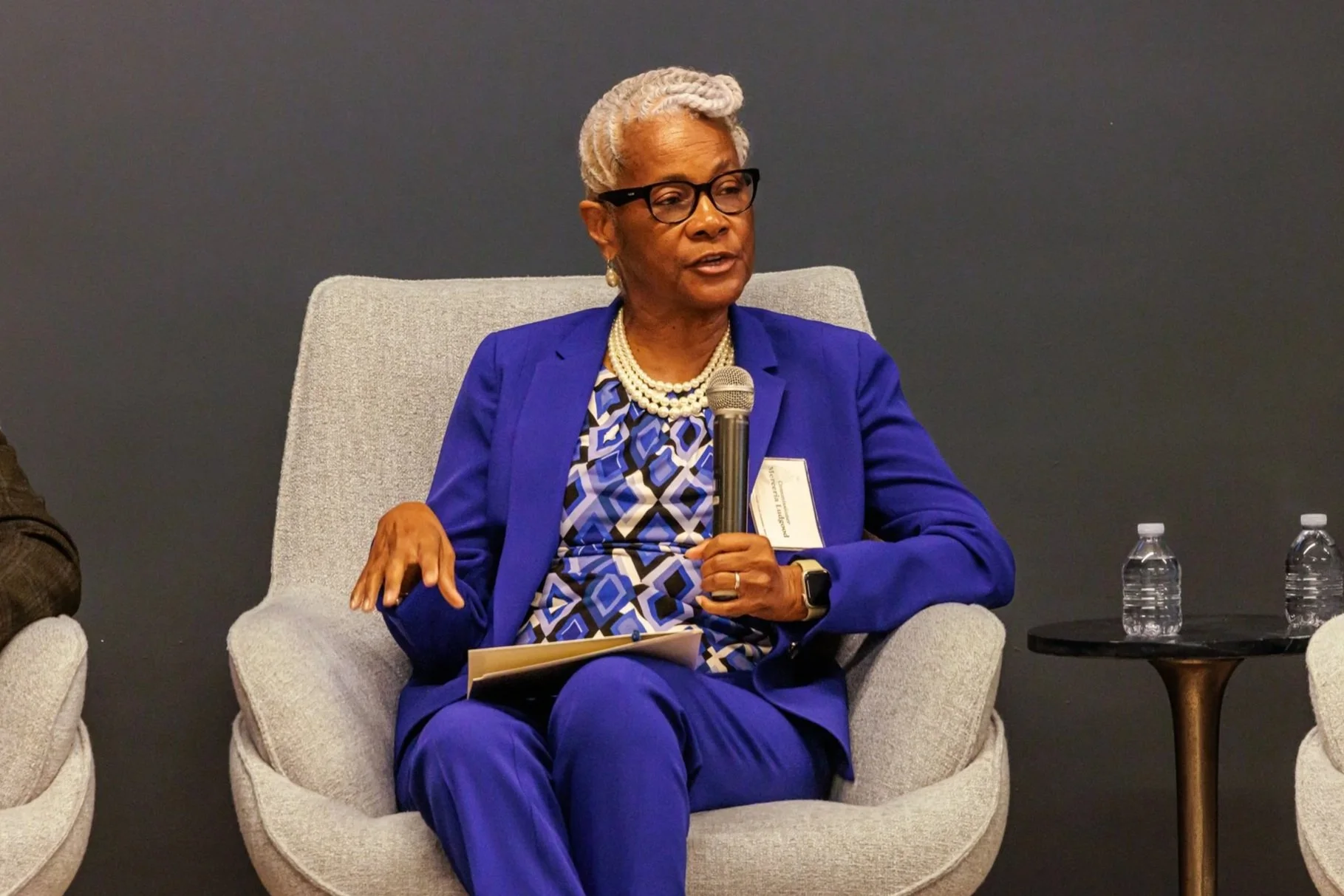
Image credited to James Pratt Photography
From state agencies to local governments to school systems and private industry, successful models depend on collaboration. Programs that thrive are the ones where partners are aligned, measurable outcomes are shared and strategies are built around real need.
Each community must design what works for its industries, its workforce and its future, but the strongest results come when those efforts are connected.
Why It Matters
This year’s Session Rewind highlighted a simple truth: Workforce development is economic development.
The decisions made in Montgomery shape how businesses grow, how communities thrive and how Alabamians find secure, meaningful work. As our state continues to grow, the pressure to build and maintain a strong workforce will only increase.
Our panelists demonstrated just how far we can go when we put our heads together with a shared vision for a brighter Alabama.
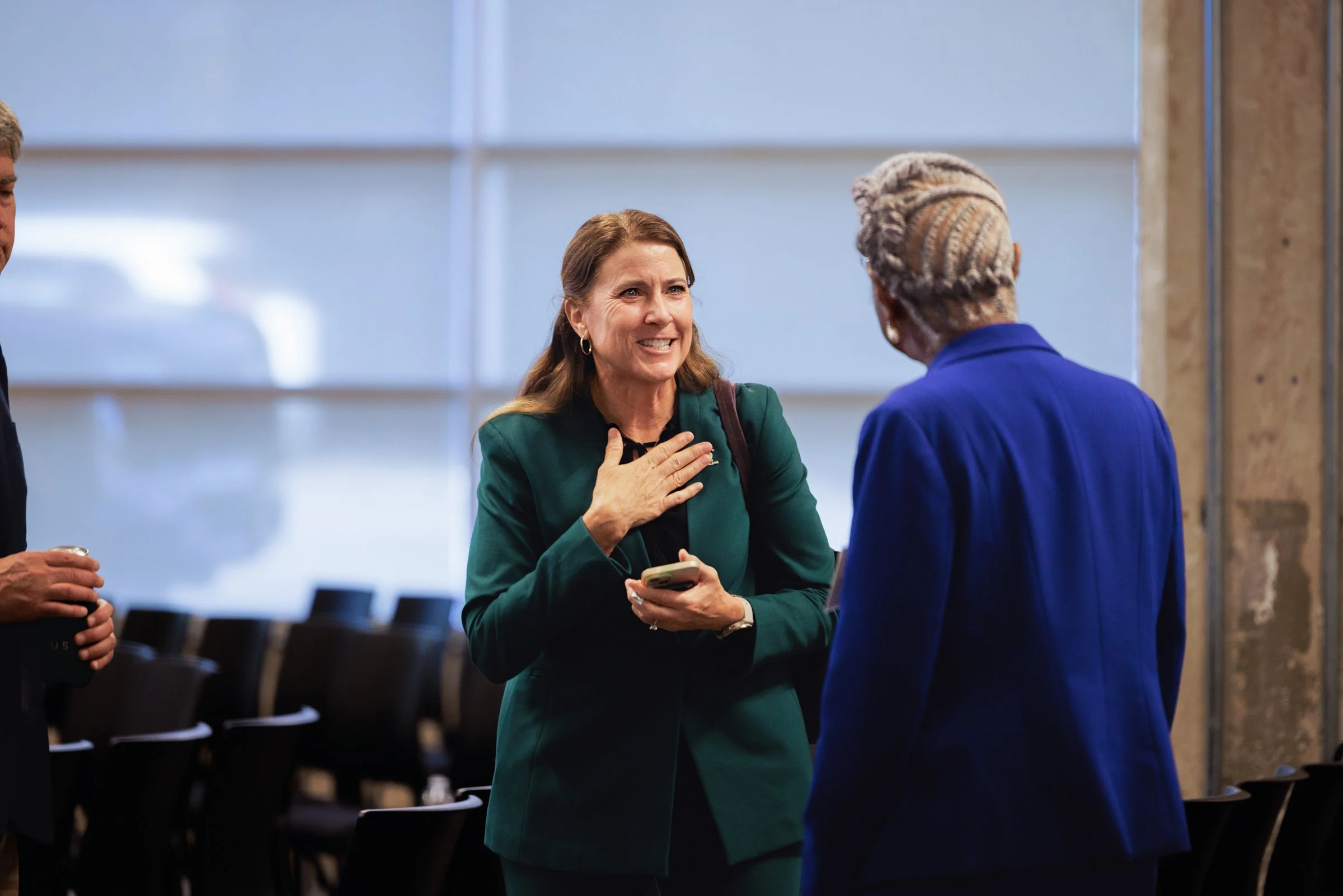
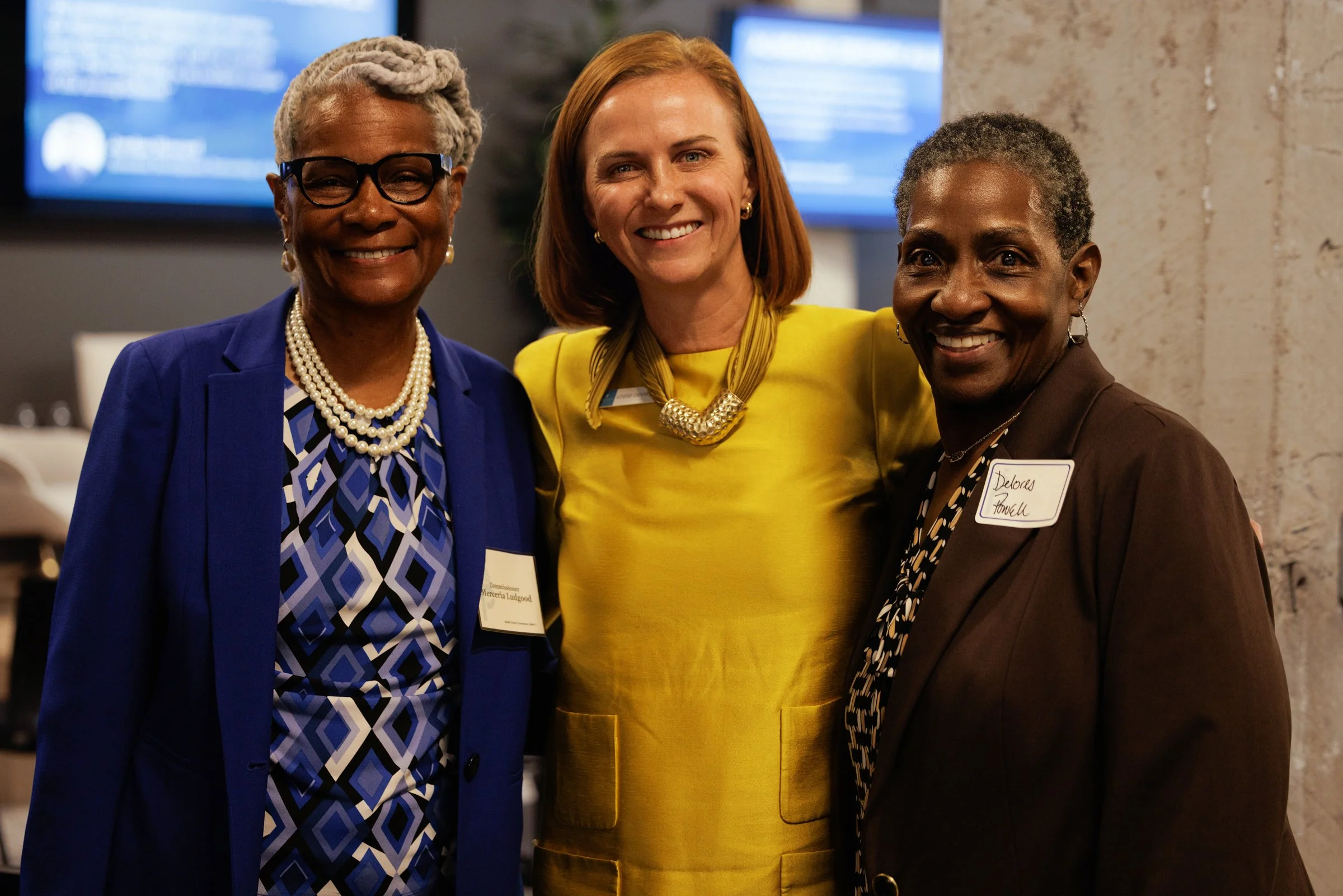
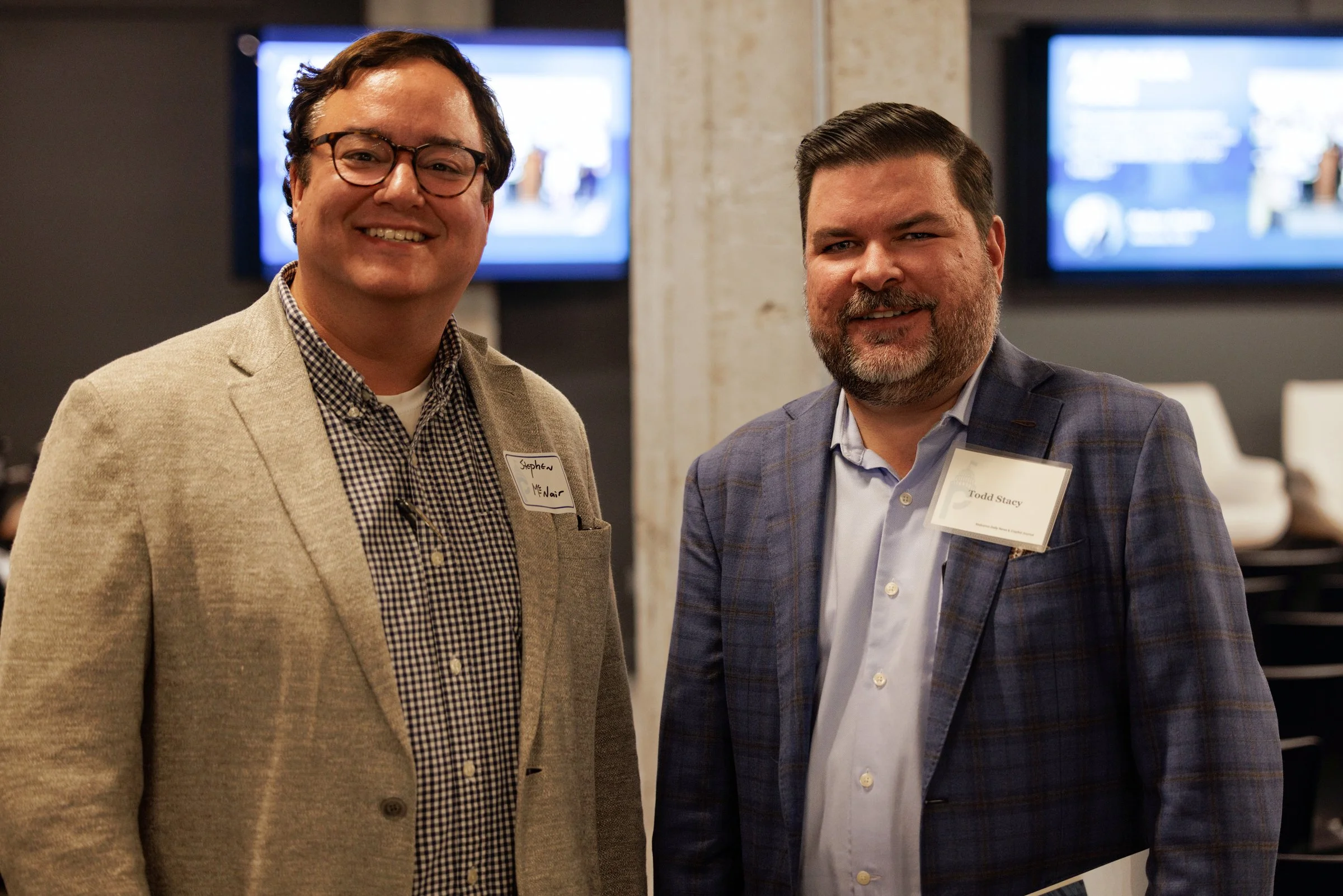
Images credited to James Pratt Photography
Published by PERITUS Takeaway
The 2026 session may be over, but the work is never done. At Peritus, we help mission-driven leaders communicate with confidence and clarity in high-stakes moments. Session Rewind is one example of how we bring people together to find common ground and move conversations and solutions forward.
Whether you’re communicating policy impacts, preparing for complex conversations, or aligning stakeholders around shared priorities, having the right strategy matters.
If you are thinking about what this session means for your organization, let’s connect.